How are fines and highway tolls collected for rental cars?
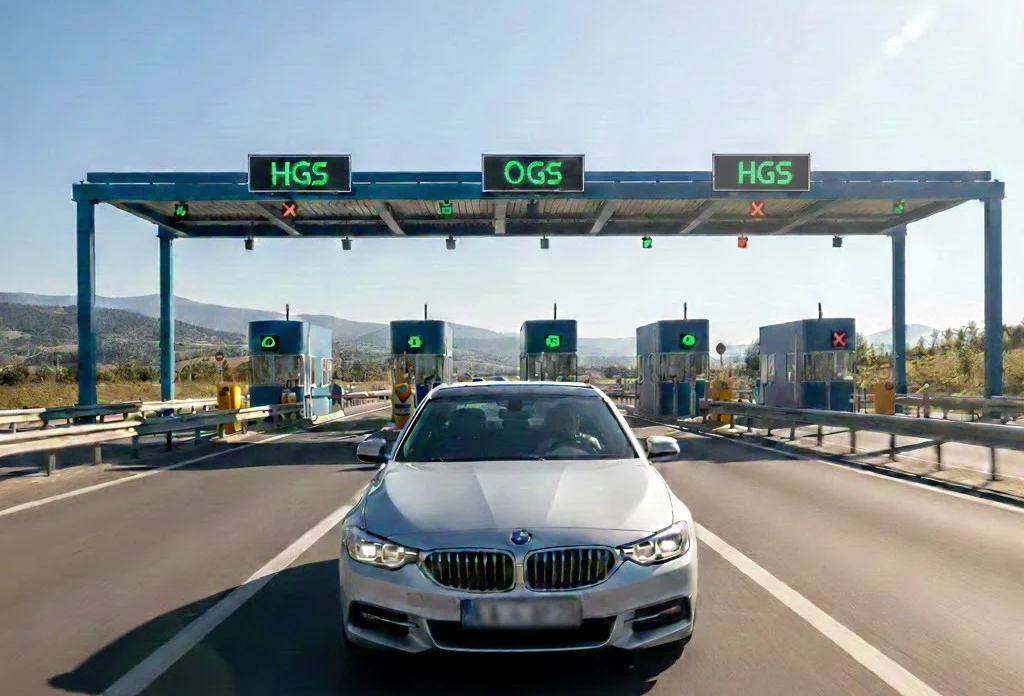
One of the most frequently asked questions when using a rental car is how traffic fines and highway/bridge tolls such as HGS/OGS are charged. This is because these costs often do not appear immediately during the rental period; they may be recorded in the system with a delay, and payment notifications can arrive even after the vehicle has been returned. Especially on intercity journeys, where toll roads, bridges, and tunnels are used frequently, understanding the collection process in advance is important both for budget planning and for preventing potential disputes. In this guide, we explain step by step how fines and toll charges are handled in rental vehicles.
How Are Fines and Highway Tolls Collected for Rental Cars?
The basic principle for fines and highway tolls in rental cars is simple: all violations and toll charges incurred during the date and time period you used the vehicle are your responsibility. However, since the vehicle is registered under the rental company or fleet owner via its license plate, fines and toll charges are first reflected in the system of the vehicle owner. The company then matches these records with the rental period specified in the contract and charges the relevant amount to the user.
The general collection process usually follows these steps:
- The toll or fine record is registered in the system based on the license plate.
- The company matches the date and time of the record with the rental period.
- The toll/fine amount is determined, and any applicable processing fee is added.
- The user is notified, and the payment is collected.
The critical detail here is that the time it takes for records to appear in the system may be delayed. Therefore, the assumption that “I returned the car, everything is finished” is not always correct. Especially HGS tolls and some traffic fines may only be finalized days later.
How Do HGS/OGS Toll Charges Work for Rental Cars?
In Turkey, toll highway and bridge crossings are mostly handled via the HGS system. Most rental cars are equipped with an HGS sticker, and tolls are automatically recorded through this system. The user does not make a cash payment at the toll booth; instead, the crossing is registered based on the license plate and HGS tag.
The HGS process for rental cars generally works as follows:
- The vehicle has an HGS tag or an integrated toll system.
- The system records the crossing at the moment it occurs.
- The crossing is registered in the system of the relevant highway/bridge/tunnel operator.
- The rental company tracks these records collectively.
- Crossings that fall within the renter’s usage period are charged to the user.
An important point to note is that while some toll records appear quickly, others may be delayed depending on operator workload and system updates. For this reason, it is usually not possible to “pay the HGS immediately” during the rental; charges are generally collected later.
The Charging Process for Toll Highways and Bridge Crossings
Charges for toll highways and bridge crossings are determined based on the type of crossing and the vehicle class. On the same route, different fees may apply for passenger cars and light commercial vehicles. The vehicle segment you choose during rental can therefore affect the total toll cost.
The main factors affecting the charging process include:
- Vehicle class: Passenger car, SUV, or light commercial categories may have different fees.
- Route: Bridges, highways, and tunnels have different tariff structures.
- Number of crossings: Multiple crossings within the same day increase the total cost.
- Violation or tag issues: In some cases, penalty or violation fees may occur.
If the HGS tag in a rental car does not function properly or the vehicle passes through the wrong lane, the system may register a “toll violation.” In such cases, not only the toll fee but also a penalty amount may be charged. Therefore, it is important to use the correct lanes at toll booths and pay attention to HGS warnings.
How Are Traffic Fines Determined According to the Rental Period?
Since traffic fines are issued based on the vehicle’s license plate, the fine is initially sent to the vehicle owner or the rental company. The company then matches the fine with the rental period based on the date and time of the violation. This matching process is carried out in detail, down to the exact pickup and return times specified in the rental contract.
The determination according to the rental period works as follows:
- The date and time of the fine are checked.
- The customer who had the vehicle at that time is identified.
- The fine amount is charged to the user.
An important point to note: if the fine falls within your rental period, defenses such as “I was not the one driving” are generally not accepted. According to the contract, the vehicle is under your responsibility for that entire period. If another person was driving and an additional driver was not registered, this may also be considered a contract violation.
When Do Fines and Toll Charges Appear in the System? Delays Explained
The timing of fines and toll charges appearing in the system is one of the most surprising issues for users. While some toll charges may be visible on the same day, others may only be finalized several days or even longer afterward. Traffic fines can also be delayed due to notification and system processing times.
Common reasons for delays include:
- Batch updates by operator systems
- Verification and approval processes for fine records
- Extended processing times during holidays or peak periods
- Technical delays in license plate or tag matching processes
For this reason, receiving a charge “after the vehicle has been returned” is considered normal. Rental agreements usually state that such charges may be collected later.
Collection Methods Used by Rental Companies and Processing Fees
Rental companies may use different methods to collect fines and toll charges. These methods are defined in the rental agreement or terms and conditions. The most common practice is to collect the charges later using the payment method provided during the rental.
Common collection methods include:
- Credit card charge: If authorized in the contract, a post-rental charge may be made.
- Payment link or bank transfer: The user receives a payment link or bank details.
- Deduction from deposit: In some cases, the amount may be deducted from the security deposit.
The issue of processing fees is also important. Some companies may add a “service fee” or “processing fee” on top of the fine or toll amount. This fee typically covers tracking, reporting, accounting, and collection operations. Knowing in advance whether a processing fee applies helps prevent unexpected charges later.
Driver Responsibilities and How to Track Payments
The primary responsibility of a rental car driver is to comply with traffic rules and ensure that toll and fine costs remain traceable. Although the collection is handled by the rental company, taking certain steps as a user works in your favor.
Practical tips for tracking payments:
- Keep notes of toll highway, bridge, and tunnel crossings (by date and time)
- If possible, review your route using map history
- Monitor email and SMS notifications after returning the vehicle
- If you receive a suspicious charge, request detailed toll or fine information
Additionally, allowing someone else to drive the vehicle during the rental period—especially without registering an additional driver—can be risky. In matters such as accidents or fines, responsibility may remain with you, so avoiding off-contract usage is essential.
What Is the Objection Process for Incorrect Fines or Toll Records?
In some cases, system-related issues may result in incorrect toll records or mismatched fines. When this happens, the objection process can be carried out either through the rental company or directly with the relevant authority or operator. The key factor in a successful objection is submitting it with proper evidence.
Steps that can be followed during the objection process:
- Request a detailed breakdown of the charge from the rental company (date, time, crossing point, fine type).
- Compare the information with your own route records (map history, receipts, location data).
- If inconsistencies exist, submit a written objection.
- If necessary, proceed with a formal objection through the relevant operator or authority.
The success of an objection depends on the accuracy of documentation and whether the records align. For this reason, keeping at least basic notes of your crossings can make the process much easier later on.
How Are Charges Reported After the Vehicle Is Returned?
Charges that appear after the vehicle has been returned are usually communicated via SMS, email, or phone call. Some rental companies may also reflect these charges through a user panel. The notification typically includes the type of charge, the date, and the amount. In a transparent process, a detailed breakdown may also be provided.
Key points to check in such notifications:
- Understand which items make up the total amount (toll/fine plus any processing fee).
- Verify whether the date and time correspond to your rental period.
- Confirm the payment method and the final payment deadline.
With corporate rental companies such as Ancars Car Rental, these notifications are generally more systematic; however, as a user, reviewing all notifications carefully helps identify potential errors early.
Practical Measures to Avoid Issues with Fines and Toll Charges
Avoiding problems related to fines and toll charges is often possible with a few simple habits. The goal is both to reduce the risk of fines and to make toll usage more predictable.
Practical measures you can apply:
- Follow speed limits: Speed camera fines are among the most common charges for rental vehicles.
- Pay attention to parking rules: Parking fines are very common in urban areas.
- Use the correct HGS lanes: Incorrect lane usage may result in violation records.
- Keep track of crossings: Especially on long journeys, note which bridges or highways you use.
- Read the contract: Be aware of processing fees and post-rental charge clauses.
- Register additional drivers: If someone else will drive the vehicle, add them to the contract.
Before setting off with a rental car, clearly understanding the company’s policy on fines and toll charges—along with the collection method and any possible processing fees—makes the process more transparent. This way, you can avoid unexpected expenses and manage post-return notifications with greater confidence.