What should be done in case of damage to a rental car?
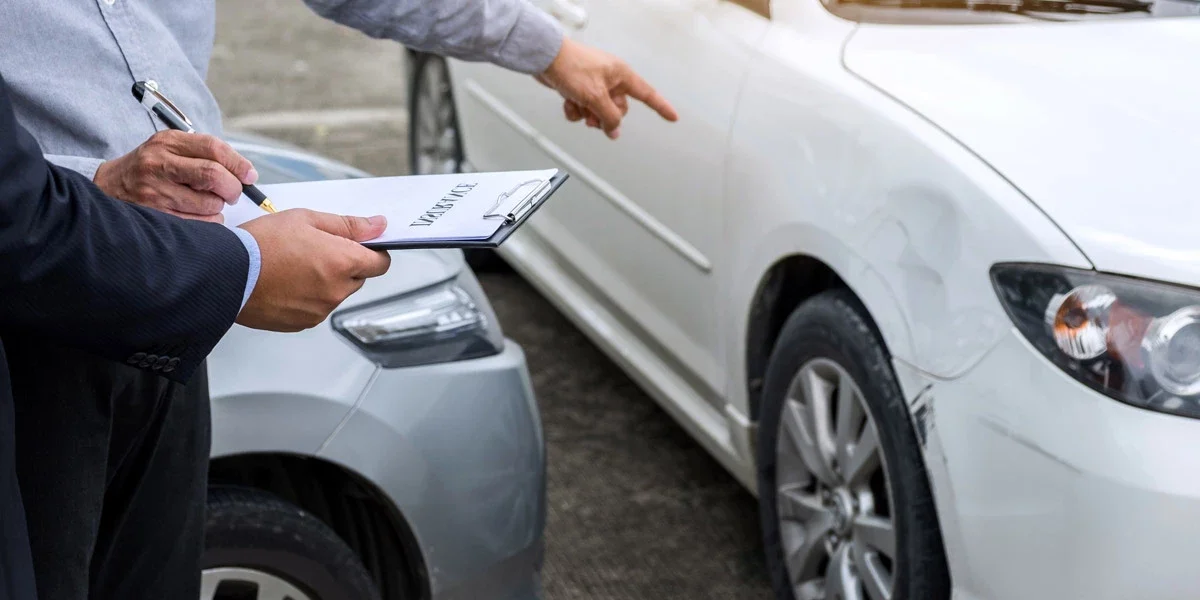
One of the most stressful situations when traveling with a rental car is experiencing damage or an accident. A minor parking scrape, a cracked windshield caused by a stone chip, or a more serious collision in traffic all require taking the right steps in terms of both safety and process management. Instead of panicking, ensuring safety at the scene, preparing the necessary documents completely, and properly informing the car rental company will help the process proceed smoothly. The guide below explains, from start to finish, the steps that should be followed in the event of damage to a rental car in a practical and easy-to-understand way.
First Steps to Take in Case of Damage to a Rental Car
As soon as damage is noticed, the first thing to do is quickly assess the situation and position yourself in a way that does not put safety at risk. Even if the damage appears minor, failing to take the correct steps may lead to unexpected responsibilities in terms of insurance and contract conditions.
Basic steps to follow in the first minutes:
- Stay calm: Panic is the main cause of poor decision-making.
- Move the vehicle to a safe location: Pull over to the shoulder or a suitable area without endangering traffic.
- Turn on hazard lights and place a warning reflector: Visibility is essential, especially at night or in heavy traffic.
- Check for injuries: If there is a health risk, the process should be managed primarily through medical assistance.
- Do not leave the vehicle: Leaving the scene before documentation is completed may cause issues later.
Even in cases of minor scratches or light scrapes, the attitude of “it’s not a big deal” is not appropriate. During vehicle return or inspection, the timing and responsibility for the damage may become disputed.
Safety Measures and Scene Management at the Time of Damage
Proper scene management after damage or an accident protects both personal safety and the accuracy of the legal and financial process. The main priority in managing the scene is to prevent secondary accidents and minimize risks.
Key safety measures to consider:
- Consider traffic flow: If the vehicle poses a hazard, move it to a safe area if possible.
- Reduce the risk of secondary collisions: Use hazard lights, reflectors, and warning triangles if necessary.
- Passenger safety: Especially on highways, direct passengers to a safe area behind guardrails.
- Fire risk: If there is fuel leakage or smoke, do not approach the vehicle and keep others away.
- Health priority: If there are injuries, contact emergency services (112) and provide basic assistance until help arrives.
Another important aspect of scene management is communication. Instead of arguing with the other party, proceeding calmly and clearly based on reports and documentation helps keep the process healthy.
Accident Report and Evidence Collection with Photos/Videos
In most cases of damage involving a rental car, documentation is decisive for the insurance process to proceed properly. Written reports and visual records clarify the nature and cause of the damage. Missing or incorrect documentation may negatively affect insurance coverage.
When collecting evidence, follow these steps:
- General photos of the vehicle: Take photos from all four sides, ensuring license plates are visible.
- Close-up photos of the damage: Scratches, dents, breaks, or cracks should be clearly visible.
- Photos of the accident scene: Road conditions, lanes, traffic signs, and intersection layout.
- The other party’s vehicle: Damage points and license plate must be recorded.
- Video recording: A short video of the overall scene provides additional assurance.
If an accident report is required, it is important that it is completed clearly and accurately. Vehicle details, driver information, accident sketch, and signatures must be complete. Additionally, the other party’s insurance and contact details should be recorded.
When Is It Necessary to Call the Police or Gendarmerie?
It may not be mandatory to call the police for every accident; however, in certain scenarios, the process cannot proceed without an official report. Especially for rental cars, specific types of damage and circumstances require a police or gendarmerie report.
Generally, the police or gendarmerie should be called in the following situations:
- If there are injuries or loss of life
- If there is suspicion of alcohol use or if the drivers cannot reach an agreement
- If public property is damaged: guardrails, traffic lights, road signs, etc.
- If the other party leaves the scene
- If multiple vehicles or third parties are involved
- If there is suspicion of unlicensed driving or another offense
In cases where an official report is required, the approach of “we’ll just handle it with a report between drivers” may result in the insurance claim being rejected. Therefore, correctly assessing the nature of the incident is crucial.
How to Report Damage to the Car Rental Company
When damage occurs to a rental car, the car rental company should be informed as soon as possible. Late notifications may complicate the process due to reasons such as “leaving the scene,” “delayed reporting,” or “missing documentation.”
Having the following information ready when making a report will make the process easier:
- Reservation details (contract number or reservation code)
- Date, time, and location of the damage
- Brief description of the damage (parking damage, collision, cracked windshield, etc.)
- Photo/video records
- Accident report and details of the other party, if applicable
With corporate rental companies such as Ancars Car Rental, the process usually begins via phone or official communication channels, and you will be asked to submit documents and visuals. The most critical point is to notify the company and follow their instructions. Taking independent actions such as “taking the car to a service center on your own” may cause contractual issues.
Types of Damage Covered and Not Covered by Insurance
Rental car insurance does not automatically cover every type of damage. Which damages are included depends on the selected insurance package, contract terms, and how the incident occurred. One of the most common misconceptions among first-time renters is assuming that “there is insurance, so everything will be covered.”
Damage generally considered within insurance coverage includes:
- Body damage resulting from traffic accidents (with proper documentation)
- Cases where the other party is at fault (supported by reports)
- Glass, tire, or headlight damage under certain packages (depending on coverage)
Situations frequently excluded from coverage:
- Driving under the influence of alcohol or drugs
- Vehicle use by an unauthorized driver not listed in the contract
- Unauthorized use such as racing or test driving
- Undercarriage damage caused by off-road use (policy may vary)
- Undocumented damage (absence of report or official documentation)
For this reason, proper documentation and following the rental company’s guidance at the time of damage are critical for insurance coverage to apply.
Excess (Deductible) Amount and Customer Liability
The excess, or deductible, means that even if insurance coverage applies, the customer may still be responsible for damage costs up to a certain amount. This amount varies depending on the vehicle segment, insurance package, and company policy. Understanding the excess from the beginning is important, as it may result in customer liability even for minor damage.
Key points regarding excess liability:
- Excess amount: What portion of the damage cost is your responsibility?
- Excess reduction or waiver: With additional coverage, the excess can be reduced or eliminated.
- Undocumented damage: Missing documentation may increase the excess or void insurance coverage.
For example, a minor bumper scrape may fall within the excess limit and be charged to the customer. Choosing an insurance package that matches your needs before rental helps reduce financial risk.
How Do Towing, Roadside Assistance, and Replacement Vehicle Processes Work?
After damage occurs, the vehicle may no longer be drivable or safe to continue using. In such cases, towing, roadside assistance, and replacement vehicle processes come into play. However, the scope of these services may vary depending on the selected package and the nature of the damage.
The general process usually proceeds as follows:
- Company guidance: First, the rental company is informed and provides instructions on the next steps.
- Roadside assistance/towing: If necessary, an authorized towing service is dispatched.
- Vehicle relocation: The car is towed to a service center or a designated parking area.
- Replacement vehicle: If conditions allow, a replacement vehicle may be provided (subject to availability and company policy).
A replacement vehicle is not always an automatic entitlement. Some companies offer it only under specific packages or damage scenarios. Therefore, knowing the roadside assistance and replacement vehicle conditions in advance provides a significant advantage.
Service, Inspection, and Damage Claim Process
After a damage report is submitted, the vehicle is usually sent for service or inspection. The inspection process includes a technical assessment of the extent of the damage, repair costs, and how the damage occurred. The insurance claim process is carried out based on these evaluations.
Key points to consider at this stage:
- Service referral should be made by the rental company
- The inspection report should be consistent with damage photos and accident reports
- All documents requested for the insurance claim must be submitted completely
- The date and time the vehicle is handed over should be officially recorded
The damage claim process may take time, especially when determining fault ratios, reviewing official reports, and obtaining insurance approval. Providing the requested documents and information promptly helps speed up the overall process.
Vehicle Return After Damage and Additional Charges
The most important factor when returning a damaged vehicle is ensuring that the damage has been properly reported and documented in accordance with procedures. If the process has been followed correctly, payment responsibility is determined based on the selected insurance package and excess conditions. However, incomplete procedures increase the risk of additional charges.
Key factors that may affect additional charges include:
- Undocumented damage: Accidents reported without an official report or documentation
- Late notification: Reporting the incident long after it occurred
- Out-of-scope usage: Unauthorized driver, alcohol use, off-road driving, etc.
- Missing equipment: Lost keys, missing registration documents, or missing accessories
During the return process after damage, the vehicle’s condition should be recorded together with the staff member, a return form should be prepared, and photos or videos should be taken if possible. This helps clarify the process and makes it easier to manage any potential disputes later.