Car Rental Fuel Policy Details
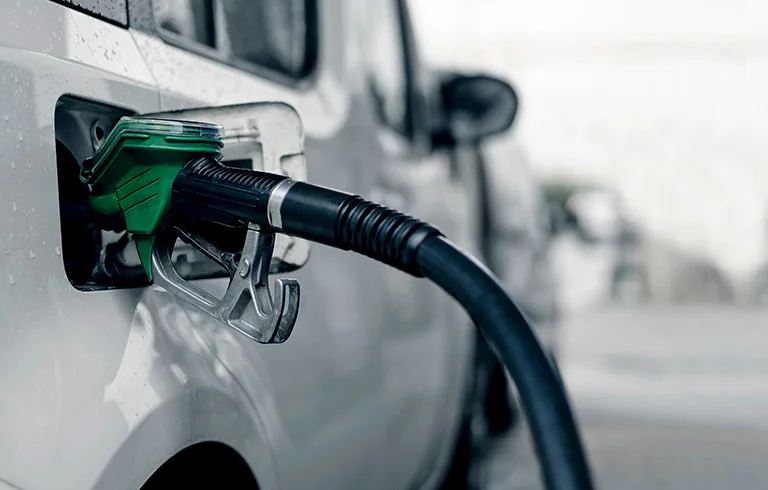
When renting a car, most people focus on price, vehicle model, and insurance coverage; however, one of the most critical details affecting the total cost is the fuel policy. Renting a car without clearly understanding the fuel policy may result in extra charges at return, such as “unexpected fuel fees,” “refueling service charges,” or “fuel differences.” Especially for airport pickups or short-term rentals during high season, knowing the fuel policy provides a significant advantage for both budget control and a smooth return process.
What Is a Car Rental Fuel Policy?
A car rental fuel policy refers to the set of rules that determine the fuel level at which you receive the vehicle and the fuel level required when returning it. This policy is clearly stated in the rental agreement and forms the basis of fuel checks at the time of return.
The fuel policy generally answers two key questions:
- What will the fuel level be when I pick up the car? (full tank, half tank, specific level, etc.)
- What fuel level is required when I return the car? (same level, full tank, empty tank, etc.)
When managed correctly, the fuel policy makes the car rental process more transparent and cost-effective. When misunderstood, even a “small fuel difference” can create higher-than-expected costs, especially for short rentals. Therefore, clarifying the fuel policy before renting a car is just as important as comparing daily rental rates.
What Are the Most Common Fuel Policies in Car Rentals?
The car rental industry uses several different fuel policies, but the most common models fall under a few main categories. Each model has its own advantages and disadvantages. Your choice may vary depending on your rental duration, route, and return plan.
Most common car rental fuel policies:
- Full-Full: You receive the car with a full tank and return it with a full tank.
- Full-Empty (or Prepaid Fuel): You receive the car with a full tank, pay for the fuel in advance, and can usually return it empty.
- Same-Same: You return the car with the same fuel level as when you received it (e.g., 6/8 at pickup, 6/8 at return).
- Empty-Empty: Less common; you receive and return the car with a low fuel level.
- Pay on Return: You receive the car with a full tank; if fuel is missing at return, the company refuels it and charges you with a service fee.
In practice, the two most common models are full-full and full-empty. Regardless of the model, the rule stated in your contract is binding.
What Does the Full-Full Fuel Policy Mean and Why Is It Advantageous?
The full-full fuel policy means you receive the rental car with a full tank and must return it with a full tank. It is considered one of the most transparent and customer-friendly models because fuel control is entirely in the renter’s hands. You choose where and at what price to refuel, and as long as you return the car full, no additional fuel charges apply.
Advantages of the full-full policy:
- Transparent costs: Reduced risk of extra “refueling service charges.”
- Price control: You can choose more affordable fuel stations.
- Fair system: You do not pay for unused fuel.
- Easy return: You can refuel at a nearby station before returning the vehicle.
Things to consider:
- Check that the tank is truly full when receiving the vehicle.
- Keep the fuel receipt from your last refill before returning.
- Plan a nearby fuel station close to the return location.
For long-distance drivers, frequent city users, or those who want strict budget control, full-full is generally the most advantageous fuel policy.
How Does the Full-Empty Fuel Policy Work and What Are Its Disadvantages?
Under the full-empty (prepaid fuel) policy, you typically receive the car with a full tank and pay for the fuel upfront (in addition to the rental cost). In many cases, you may return the car empty, but unused fuel is usually non-refundable. The most debated aspect of this model is that renters may pay for fuel they do not fully use.
How it works:
- You receive the vehicle with a full tank.
- The fuel cost (sometimes with a service fee) is charged upfront.
- In most cases, unused fuel is not refunded.
Disadvantages:
- Unused fuel may be wasted: Difficult to empty the tank in short rentals.
- Fuel price may be above market rate: Companies may package fuel at a fixed rate.
- Service fees may apply: Increasing the total cost.
- Return stress: Trying to “empty the tank” may create unnecessary driving or pressure.
When might it make sense?
- If you are driving long distances and will likely consume most of the tank.
- If refueling near the return location is difficult or time-sensitive.
- If the overall package pricing is genuinely advantageous.
What Is the Same-Same Fuel Policy?
The same-same fuel policy means you return the vehicle with the same fuel level as when you picked it up. For example, if you receive it at 6/8 of a tank, you are expected to return it at approximately the same level. While flexible, this model can sometimes lead to interpretation differences.
Advantages:
- Flexibility: No obligation to fill the tank completely.
- Convenient for short rentals: May require less effort than full-full.
Things to watch out for:
- Ensure the initial fuel level is clearly recorded.
- Fuel gauge sensitivity varies between vehicles.
- Small differences may lead to additional charges.
Practical tip: Take a photo of the fuel gauge at pickup and again before return to avoid disputes.
How Are Fuel Charges and Refueling Fees Calculated?
One of the most common surprises in car rental fuel policies is the “fuel charge” and added “service fee” at return. If you return a full-full rental without a full tank, the company may refill it and charge you at a higher-than-market rate, often including an operational service fee.
General calculation logic:
- The estimated missing fuel amount is determined.
- The company’s per-liter rate (which may differ from market price) is applied.
- An additional service fee may be added.
Best way to avoid extra fees: If your policy is full-full, always refuel before returning and keep the receipt. For same-same, try to match the initial fuel level as closely as possible.
Why Are Fuel Receipts Important?
A fuel receipt may seem minor, but it can be critical. If there is a dispute about the fuel level at return, a recent receipt proves that you refueled before returning the vehicle.
Benefits of keeping the fuel receipt:
- Proof at return: Shows you refueled before return.
- Time confirmation: Date and time show proximity to return.
- Location evidence: Refueling near the return location strengthens your case.
How to Avoid Extra Charges Related to Fuel Policy
- Confirm the fuel policy at pickup.
- Take photos of the fuel gauge at pickup and return.
- Plan to refuel within 10–15 km before return.
- Keep the fuel receipt.
- Leave a small margin in same-same policies.
- Be realistic with full-empty policies.
- Plan for late-night returns.
- Double-check the fuel type to avoid severe damage.
Frequently Asked Questions About Car Rental Fuel Policy
- What happens if I don’t return a full tank under full-full?
The company may refuel it and charge you for fuel plus a service fee. - How is “same level” measured in same-same?
Usually based on the fuel gauge and pickup documentation. - Is unused fuel refunded under full-empty?
In most cases, no. Check your contract. - Is a fuel receipt mandatory?
Not always, but it is strong evidence in case of disputes. - What if I can’t find a nearby fuel station?
Plan your route in advance before entering the return location. - What happens if I use the wrong fuel?
It may cause serious damage and is often not covered by insurance. Contact the rental company immediately without starting the engine.