Things to Consider When Driving Long Distances in a Rental Car

Taking a long road trip with a rental car offers advantages in terms of comfort and time management; however, without proper preparation, even a small oversight can increase both the cost and stress of your journey. On long-distance trips, many factors come into play at the same time, such as vehicle performance, driving safety, fuel planning, highway toll systems, mileage limits, and possible breakdown or accident scenarios. For this reason, in the car rental process, it is not enough to simply “pick up the car”; you should also ensure that the vehicle is suitable for long-distance conditions and clearly understand the contract details.
Why Is Preparation Important Before a Long Trip with a Rental Car?
Long-distance driving involves higher speeds, longer engine operation, and changing road and weather conditions compared to city driving. Preparing properly before setting off with a rental car increases safety and reduces the risk of unexpected expenses during the trip. Since your responsibilities are defined within the car rental agreement, taking the right steps during preparation also protects you from potential disputes.
Main benefits of preparing before a long trip:
- Safety: You ensure that critical components such as tires, brakes, and lights are functioning properly.
- Cost control: Identifying damage or missing equipment early reduces the risk of extra charges later.
- Time management: You can create a more efficient route by planning toll roads, fuel stops, and rest breaks.
- Reduced stress: Instead of worrying about “What if I break down?”, you enjoy a more organized travel experience.
Especially if it is your first time taking a long trip with a rental car, conducting proper checks at pick-up and reviewing the contract are essential.
Checklist When Picking Up a Rental Car from Ancars Rent a Car
A detailed inspection when picking up your rental car is one of the most critical steps for a smooth long-distance experience. Scratches, dents, cracked windows, or wheel damage that are not recorded at delivery may later be considered “new damage” upon return. Whether renting from Ancars Rent a Car or any other car rental company, the following checklist is highly recommended.
Exterior inspection (always document with photos/videos):
- Bumpers: scratches, cracks, paint damage
- Doors and fenders: scratches, dents, color differences
- Wheels and tires: rim damage, cuts, or bulges
- Windows: cracks, stone chips, scratches
- Headlights and taillights: cracks, fogging, damage
- License plate and frame: damage or looseness
Interior inspection:
- Tears or stains on seats
- Warning lights on the dashboard?
- Air conditioning/heating working properly?
- Multimedia system, rear camera, parking sensors
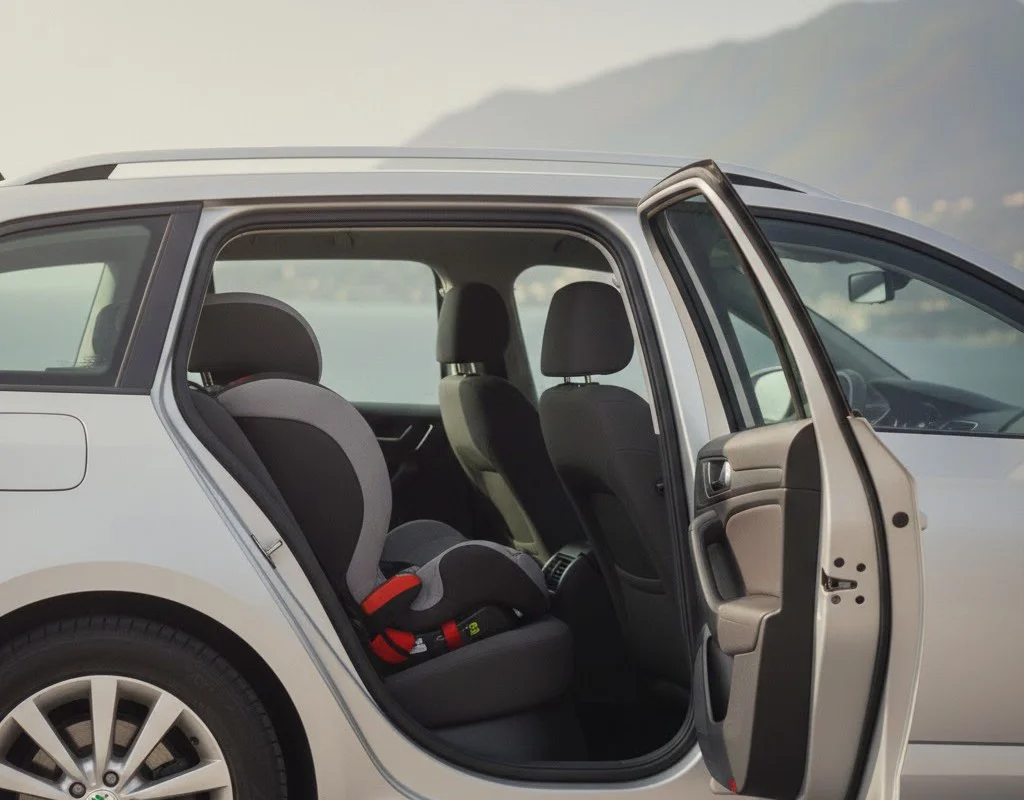
- Seat belts and child lock functionality
Equipment check:
- Spare tire or tire repair kit
- Jack and lug wrench
- Reflective triangle, first aid kit
- Fire extinguisher (if available)
- Spare key procedure (may not be provided by some companies)
Document and contract check:
- Ensure existing damage is recorded on the delivery form
- Is the mileage and fuel level correct?
- Are insurance/excess and additional coverages clearly defined?
- Are highway toll (HGS) usage terms explained?
Spending just 5–10 minutes on these checks can significantly protect you during the return process after a long trip.
Basic Safety Rules for Long-Distance Driving with a Rental Car
Long-distance safety is not limited to obeying speed limits. Fatigue management, safe following distance, weather-adapted driving, tire pressure, and break planning all play a role. Following safe driving practices reduces both safety risks and the chance of damage during the car rental period.
- Respect speed limits: Higher speeds increase fuel consumption and risk.
- Maintain safe distance: Increase distance in rain or fog.
- Manage fatigue: Take a break every 2 hours to stay focused.
- Avoid holding your phone: Use mounted navigation and voice guidance.
- Extra caution at night: Reduced visibility requires proper headlight use and moderate speed.
- Seat belts for everyone: All passengers must wear seat belts.
The most common mistake on long trips is disrupting speed and rest routines due to the urge to “arrive faster.” The goal is not to arrive quickly, but to arrive safely.
How to Plan Fuel for a Long Trip with a Rental Car
Fuel planning is one of the most practical yet often overlooked aspects of long-distance travel. On unfamiliar routes, distances between gas stations—especially on highways—can be long. Prices may also differ from city stations. Creating a fuel plan helps you save both time and money.
Practical fuel planning steps:
- Note the fuel level at pick-up: Follow the rental fuel policy (e.g., full-to-full).
- Check the fuel type: Confirm gasoline, diesel, or hybrid.
- Monitor average consumption: It may decrease on highways but increases with higher speeds.
- Identify stations along your route: Especially for night driving, check which are open.
- Consider highway price differences: Refueling before entering the highway may be cheaper.
Tip: When your tank drops below half, refuel at a convenient station to avoid last-minute stress.
Managing Highways, Toll Systems (HGS/OGS), and Fees
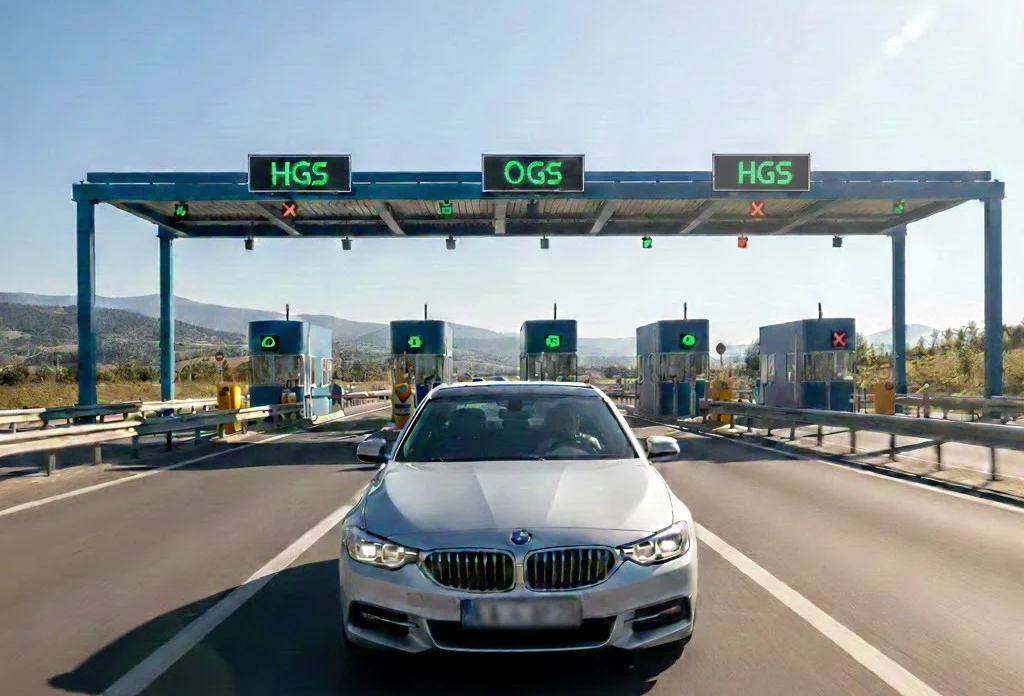
In Turkey, highways and bridges are typically paid via HGS (automatic toll system). Rental cars usually have an HGS sticker, but the billing method depends on the rental company’s policy. Clarifying these details before departure is important.
- Is HGS available? Confirm at pick-up.
- How are tolls charged? Via credit card, invoice, or deducted from deposit?
- What about toll violations? Insufficient balance may result in fines.
- Vehicle class: Toll fees may vary depending on the car category.
Planning toll routes in advance can help manage your overall travel budget.
Mileage Limits and Contract Details for Long Trips
When planning a long-distance trip, always check mileage limits. Some car rental packages include daily mileage caps, and exceeding them may result in additional per-kilometer charges.
- Daily/weekly mileage limit: Unlimited or restricted?
- Excess fee: Clear per-kilometer charge?
- Out-of-city usage terms: Any regional restrictions?
- Authorized drivers: Are all drivers added to the contract?
- Insurance/excess: Suitable for long-distance travel?
- Return location and time: Late return fees?
Estimating your total round-trip mileage in advance helps clarify your rental costs before departure.
What to Do in Case of Breakdown or Accident?
Breakdowns or accidents can happen on long trips. Staying calm and following proper procedures ensures both safety and compliance with the rental agreement.
In case of breakdown:
- Move the vehicle to a safe location and turn on hazard lights.
- Place the reflective triangle at a safe distance.
- Contact the rental company and follow roadside assistance instructions.
- Do not use unauthorized service providers.
- Ask about replacement vehicle options if needed.
In case of accident:
- Ensure personal safety first; call emergency services if needed.
- Complete an accident report for material damage cases.
- Take photos/videos of the scene and damage.
- Call the police when required (injuries, public property damage, etc.).
- Inform the rental company without delay.
What to Consider When Returning the Rental Car After a Long Trip
The return process is one of the most critical stages of your car rental experience. During return, the vehicle’s condition, fuel level, mileage, and potential new damage are assessed.
- Check fuel policy: Return with the agreed fuel level.
- Cleanliness: Excessively dirty cars may incur cleaning fees.
- Inspect for new damage: Especially wheels, bumpers, and windows.
- Toll charges: Ask about delayed charges.
- Return equipment: Reflector, first aid kit, keys, etc.
Do not sign the return form without reading it carefully, and if possible, take photos at handover.
In summary, taking a long trip with a rental car provides freedom and comfort. However, from pick-up to return, skipping essential checks can increase risks and costs. Proper fuel planning, toll management, mileage control, and understanding breakdown/accident procedures will help you travel safely while keeping rental costs under control. When renting through Ancars Rent a Car, you can use this guide as a practical checklist to make your long-distance journey smoother and stress-free.