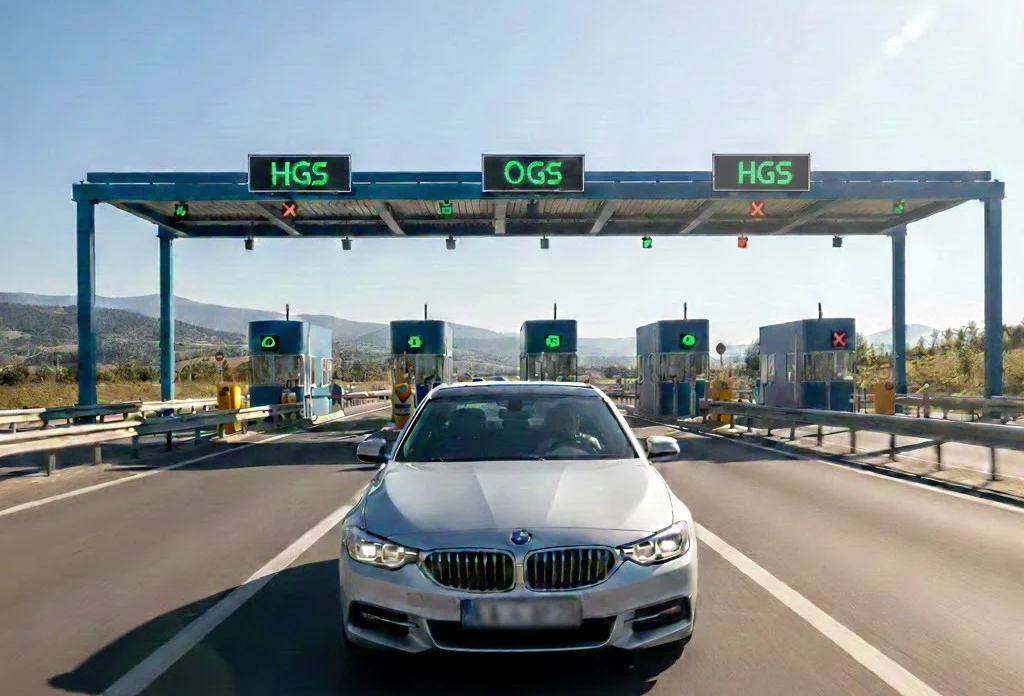
What is Fleet Vehicle Rental?

Fleet car rental is a long-term solution that enables companies to meet their vehicle needs without the burden of purchasing, while benefiting from predictable costs and professional operational management. Today, for both large-scale corporations and growth-oriented SMEs, fleet leasing offers advantages such as budget control, simplified maintenance and insurance processes, increased efficiency, and operational flexibility.
What Is Fleet Car Rental?
Fleet car rental is a system in which a company leases multiple vehicles for its business operations, typically for periods of 12 months or longer, with a significant portion of operational responsibilities managed by the rental provider. In this model, instead of dealing with time-consuming matters such as vehicle purchasing, depreciation, tax tracking, and resale processes, the company uses the vehicles under agreed terms and manages its budget through a fixed monthly rental fee.
When fleet rental is mentioned, “operational leasing” often comes to mind. Operational leasing is a structure in which services such as maintenance, periodic servicing, tires, replacement vehicles, and damage management can be offered as a bundled package. This ensures that company vehicles operate without interruption, field teams maintain mobility, and the administrative burden is reduced.
- Planned costs: A fixed monthly payment makes cash flow more predictable.
- Operational convenience: Maintenance and service processes are managed from a single source.
- Flexibility: The number of vehicles, segments, and usage conditions can be adjusted according to needs.
- Time savings: The need to handle purchasing and resale processes is minimized.
How Does Fleet Car Rental Work with Ancars Rent a Car?
The fleet rental process essentially begins with a needs analysis. The company determines how many vehicles are required, which segments are suitable, annual mileage expectations, and usage types. Based on this data, the rental provider plans appropriate vehicles and contract terms. When working with companies focused on fleet management, such as Ancars Rent a Car, the goal is to ensure that vehicles are used without disrupting operations and that all processes are managed centrally.
In a well-structured fleet rental system, the process typically follows these steps:
- Needs analysis: Number of vehicles, segment, usage locations, mileage plan.
- Offer and package selection: Monthly rental, included services, insurance coverage, and additional options.
- Contract: Duration, mileage, delivery terms, maintenance/damage procedures.
- Delivery and operation: Vehicle handover, driver assignment, and process tracking.
- Term management: Periodic maintenance, tires, damage management, replacement vehicles.
- End of term: Vehicle return, inspections, and if necessary, planning for the next term.
This structure transforms vehicle rental from a “one-time transaction” into a sustainable and controllable workflow for companies.
Differences Between Fleet Car Rental and Daily Car Rental
Daily car rental is more suitable for short-term needs (travel, temporary work, holidays, emergencies), whereas fleet car rental targets companies with regular and ongoing transportation needs. Understanding the differences between these two models directly impacts a company’s costs and operational efficiency.
- Duration: Daily rental commonly ranges from 1–30 days, while fleet rental typically spans 12–36 months or longer.
- Pricing: Unit costs are higher in daily rentals; fleet rental offers economies of scale.
- Service scope: Maintenance, service, and tire management can be bundled in fleet rental.
- Operations: Daily rental processes are simpler; fleet rental requires structured management and reporting.
- Planning: Fleet rental requires budget and vehicle strategy; daily rental provides instant solutions.
In summary, daily rental is a practical method used “when needed,” while fleet rental is a more rational model for vehicle needs that have become an integral part of business operations.
Who Is Fleet Car Rental Suitable For?
Contrary to common belief, fleet car rental is not exclusive to very large companies. Any business with regular vehicle usage can gain significant advantages from fleet rental once it reaches a certain scale. The key determining factor is the role and continuity of vehicles within business operations.
Examples of profiles particularly suited for fleet car rental:
- Companies with field teams: Sales, marketing, technical service, and maintenance teams.
- Logistics and distribution businesses: Companies operating regular routes and deliveries.
- Corporate companies: Executive vehicles and employee mobility needs.
- Project-based companies: Construction, energy, and event companies with periodic increases in vehicle demand.
- Fast-growing SMEs: Businesses aiming to meet vehicle needs while preserving cash flow.
If your vehicles directly affect business continuity and revenue generation, fleet car rental becomes a model worth evaluating.
Advantages of Fleet Car Rental for Companies
For companies, fleet car rental is not merely a “vehicle acquisition method”; it is also a financial planning and operational management tool. Instead of the capital outlay and administrative burden of purchasing, it offers a more controlled cost structure and service standard.
- Preserves cash flow: Enables vehicle use without tying up large capital in purchases.
- Makes expenses predictable: Fixed monthly payments simplify budgeting.
- Increases business continuity: Maintenance and service processes are handled regularly, reducing breakdown risks.
- Saves time: Tasks such as registration, inspections, insurance renewals, and service tracking are minimized.
- Ensures fleet standardization: Establishes consistent vehicle segments and usage standards.
- Reporting and control: Mileage, usage, and expense items become reportable.
The combined effect of these advantages makes it easier for companies to focus on their core business. Vehicles shift from being an “operational burden” to a “business support tool.”
How Does the Long-Term Fleet Rental Process Work with Ancars Rent a Car?
Long-term fleet rental means not only delivering the vehicle but managing it throughout the contract period. The process does not end at delivery; in fact, true management begins afterward. Companies planning long-term solutions with Ancars Rent a Car can determine the appropriate vehicle types and more systematically monitor maintenance, service, and potential damage processes during the term.
The general flow in a long-term process is as follows:
- Vehicle selection and planning: Segment, usage purpose, mileage plan, and delivery location are determined.
- Service scope: Packages including maintenance/service, tires, replacement vehicles, and insurance are clarified.
- Delivery: Vehicle handover, delivery reports, and usage briefings are completed.
- Periodic follow-up: Maintenance schedules, inspection dates, and potential breakdown reports are managed.
- Damage management: In case of accident/damage, procedures are initiated and the vehicle is returned to service as quickly as possible.
- End-of-term planning: Vehicle return, condition checks, renewal, or replacement options are evaluated.
Long-term fleet car rental aims to systematize all vehicle-related processes within a business. Therefore, contract and process design must be structured correctly from day one.
How Are Fleet Car Rental Prices Determined?
Fleet car rental prices are not based on a single criterion; factors such as vehicle segment, duration, mileage limit, and included services directly affect the monthly rental fee. The goal is not simply to find the lowest price, but to achieve the “right total cost” aligned with business needs.
Main factors affecting pricing:
- Vehicle segment and brand/model: Differences exist between economy class and SUV or premium segments.
- Rental duration: Unit costs may vary between 12-month and 24–36-month contracts.
- Mileage package: Higher annual/monthly mileage limits increase pricing.
- Included services: Maintenance, tires, replacement vehicles, and damage management vary by package.
- Insurance coverage: Deductibles, additional coverages, and driver profile can impact pricing.
- Delivery location and operations: Delivery/return points and operational costs may be decisive.
- Seasonality and market conditions: Vehicle supply and costs may fluctuate during peak periods.
The ideal approach is to clearly define the company’s annual vehicle usage habits and select an appropriate mileage and service package. This reduces the risk of overpayment and operational disruptions.
Key Considerations in Fleet Car Rental Contracts
A fleet car rental contract forms the foundation of a long-term business partnership. The clauses within the contract directly determine costs, operational speed, and risk management. Before signing, it should not be viewed as a “standard text,” but carefully reviewed according to your specific usage scenario.
Critical points to consider:
- Duration and early termination conditions: Are exit fees clearly defined?
- Mileage limits and overage charges: How are excess fees calculated?
- Damage and insurance deductible: At what point does company responsibility begin?
- Maintenance/service scope: Which services are included or excluded?
- Tire policy: Summer/winter tires, replacement intervals, and damage procedures.
- Replacement vehicle conditions: Duration and class in case of breakdown/damage.
- Delivery/return conditions: Condition assessment criteria and bodywork standards.
- Payment and invoicing: Monthly billing cycle and procedures for delays.
Any ambiguity in the contract can turn into unexpected costs during the term. Therefore, all items should be clearly defined at the offer stage.
Maintenance, Insurance, and Tax Processes in Fleet Car Rental
One of the greatest contributions of fleet car rental is the systematic management of mandatory processes such as maintenance, insurance, and taxes. Delayed maintenance increases breakdown risks, disrupts field operations, and raises total costs. For this reason, fleet rental provides significant assurance in terms of business continuity.
Key areas typically highlighted in these processes:
- Periodic maintenance: Regular service tracking in line with manufacturer schedules.
- Breakdown management: Guidance, service coordination, and time management in case of malfunction.
- Insurance: Policy management, damage documentation, and deductible procedures.
- Tax and legal compliance: Tracking mandatory processes such as motor vehicle tax and inspections.
- Damage process: Accident reports, expert assessment, service coordination, and delivery timing.
The critical point for companies is clear: keeping vehicles operational directly impacts employee productivity. Therefore, maintenance and damage processes must be managed quickly and systematically.
Fleet Car Rental or Purchasing: Which Is More Advantageous?
There is no single correct answer to this question. Company size, cash flow, usage intensity, tax planning, and operational priorities determine the preference. However, many businesses today lean toward fleet car rental due to the capital commitment and depreciation risks associated with purchasing.
When comparing the two options, it is useful to focus on the following criteria:
- Capital cost: Is there a down payment or loan cost?
- Depreciation: Resale value and risks of the second-hand market.
- Operational burden: Who will manage maintenance, insurance, and inspections?
- Flexibility needs: Does the number of vehicles change periodically?
- Total cost: Not only price, but also time, operational risk, and downtime costs.
In general, as the number of vehicles increases and usage becomes regular, fleet car rental becomes a more advantageous model. Especially for growing businesses, meeting vehicle needs while preserving cash flow creates a significant advantage.
When planning fleet car rental with Ancars Rent a Car, accurately determining your vehicle segment and mileage needs, clarifying contract terms, and selecting service packages according to your requirements will both optimize costs and ensure uninterrupted operations.