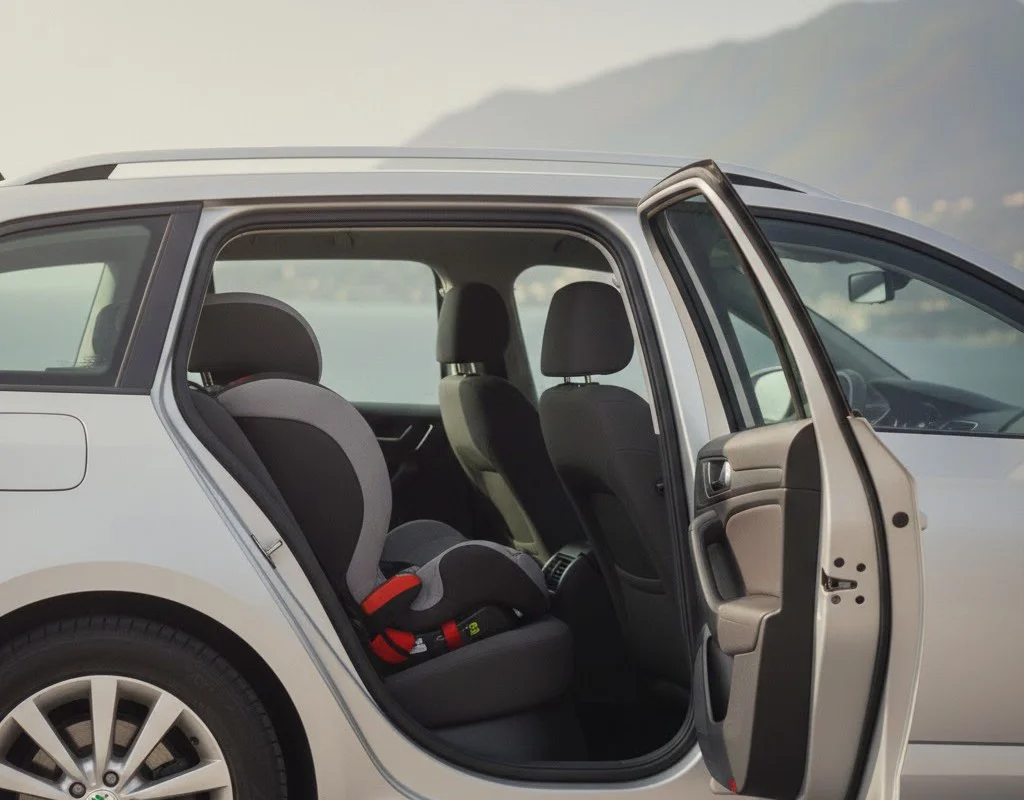
Things to Check When Picking Up a Rental Car: Inspection and Photo Guide
Picking up a rental car is one of the most important stages of the car rental process. A few minutes of careful inspection at the moment you receive the vehicle can help prevent later disputes related to damage, fuel, mileage, or contract details. Therefore, being aware of what to check when picking up a rental car is highly important for both your safety and your budget.
Why Is Inspection Important When Picking Up a Rental Car?
Car rental is a fast and practical service for many users. Especially during airport pickups, business trips, intercity travel, or holiday periods, renters often want to receive the rental car quickly and get on the road. However, signing the contract without checking the current condition of the vehicle during this rush may lead to unwanted problems later.
For rental cars, the pickup moment is the stage where the condition in which the vehicle is handed over to you is documented. If the car has existing scratches, dents, windshield cracks, rim scuffs, seat stains, or missing equipment, these must be recorded at the time of pickup. Otherwise, disputes may arise during return about when these damages occurred.
Therefore, when picking up a rental car, simply taking the key and getting into the vehicle is not enough. The exterior body, interior, tires, windows, fuel level, mileage, insurance coverage, and delivery report should all be carefully reviewed. A properly performed pickup inspection makes the rental experience more transparent, safe, and trouble-free.
Carefully Review the Contract Before Pickup
The first document that should be checked during the rental car pickup process is the rental agreement. The contract includes important information such as the vehicle’s license plate, make and model, pickup date, return date, mileage limit, fuel policy, deposit amount, insurance coverage, and additional services. These details determine the conditions that will apply throughout your use of the vehicle.
Before signing the contract, make sure the vehicle information is written correctly. The license plate of the vehicle delivered to you must match the license plate stated in the contract. In addition, the pickup time and return time should be stated accurately. Some car rental companies may charge extra fees for late returns. Therefore, time details should be checked carefully.
The mileage limit is another important item to pay attention to in the contract. Some rentals include a certain daily mileage allowance. If this limit is exceeded, an additional fee may be charged per kilometer. If you are planning a long-distance trip, you should definitely find out whether there is a mileage limit.
Insurance coverage is one of the most important issues when driving a rental car. Standard insurance packages may not cover every type of damage. Situations such as glass, tires, rims, lost keys, minor damage, user error, or using the wrong fuel may be subject to different conditions. Therefore, reviewing the insurance clauses in detail allows you to understand which situations you may be responsible for during your trip.
How to Perform a Rental Car Inspection?
A rental car inspection is the review of the vehicle’s physical and basic technical condition at the time of pickup. This inspection does not have to be as detailed as a professional used car inspection; however, it is very important for understanding the vehicle’s general condition and recording existing damages.
During pickup, inspect the vehicle in an area that is as well-lit as possible. Indoor parking lots, dim lighting, or rainy weather can make it difficult to notice scratches and dents. If necessary, move the vehicle to a brighter location before checking it. Walk around the car completely and examine each area from different angles.
You can start the inspection with the exterior surface of the vehicle. The front bumper, rear bumper, doors, fenders, hood, roof, trunk lid, side mirrors, headlights, and taillights should be examined in detail. Bumper corners, lower door sections, and rim areas are especially common places for small damages.
Then move on to the interior inspection. Check whether there are stains, tears, cigarette burns, or deformation on the seats. Make sure that the steering wheel, gear knob, inner door panels, glove compartment, multimedia screen, air conditioning system, and window buttons are in working condition.
What Should You Pay Attention to During the Exterior Check?
When picking up a rental car, the exterior check is one of the most important stages. This is because the most common disputes during return are usually related to bodywork, bumpers, rims, windows, and headlight damage. Therefore, the vehicle’s exterior should be checked without rushing.
Front and Rear Bumper Check
Bumpers are among the areas most easily damaged during parking maneuvers. Check the front bumper for scuffs, cracks, paint peeling, or plastic deformation. On the rear bumper, pay special attention to the corner areas. Some damages may not be visible when viewed directly from the front. For this reason, it is useful to examine bumpers from the side, from below, and from different angles.
Door, Fender, and Hood Check
Door surfaces may have small dents or scratches. Door dings caused in narrow parking spaces are common damages on rental cars. Check the fenders for paint chips, scuff marks, or dents. On the hood, pay attention to stone chips, scratches, or signs of hail damage.
Headlight, Taillight, and Mirror Check
Headlights, taillights, turn signals, and side mirrors should be checked for both safety and damage responsibility. Look for cracks, fogging, or broken areas on the headlight lenses. If there are scratches, cracks, or looseness on the side mirror housings, report them at the time of pickup.
Do Not Skip Tire, Rim, and Glass Checks
Tire and rim checks are often overlooked when picking up a vehicle. However, tires directly affect driving safety. In addition, rim scuffs are among the damages easily noticed during return. Therefore, it is important to check all four tires and all four rims separately.
Inspect the tires for cuts, bulges, excessive wear, or foreign objects. If you are going on a long trip, make sure the tires are generally in good condition. If there is a tire pressure warning, report it to the staff before taking the vehicle.
Rims may have scratches, dents, or cracks caused by curb contact. These marks can be clearly visible, especially on alloy wheels. Make sure existing rim damages are written in the delivery report and take photos of them.
Glass inspection is equally important. The windshield may have stone chips, the beginning of a crack, or deep scratches. Side windows, rear window, mirrors, and, if available, the panoramic glass roof should also be checked. A small windshield crack may grow during use and cause problems during the return process.
How to Check the Vehicle Interior
When picking up a rental car, checking only the exterior body is not enough. The interior of the vehicle should also be inspected during pickup. Stains, tears, burn marks, broken parts, or missing equipment inside the vehicle are also among the details checked during return.
First, check the seats. If there are cigarette burns, stains, tears, or fabric deformation on the seats, these must be recorded. Be sure to inspect the rear seats as well. Vehicles where child seats were used may have marks or pressure impressions on the rear seats.
Pay attention to frequently touched areas such as the steering wheel, gear knob, handbrake, inner door panels, glove compartment, and center console. If there are broken, cracked, or loose plastic parts, report them to the staff at pickup. Check whether the multimedia screen, air conditioning, radio, USB ports, window buttons, and mirror adjustments are working properly.
Do not forget the trunk area. It is useful to check whether equipment such as the spare tire, jack, wheel wrench, warning triangle, first aid kit, and, if available, fire extinguisher are present in the vehicle. Missing equipment should be noted in the delivery report.
Always Record the Mileage and Fuel Level
When picking up a rental car, the mileage and fuel level must be checked. These two details can directly affect car rental pricing. At the moment you receive the vehicle, compare the mileage shown on the dashboard with the mileage written in the contract.
If the starting mileage is written incorrectly, you may be charged extra for kilometers you did not actually drive during return. Therefore, taking a photo of the odometer is one of the safest methods. Having the photo saved on your phone with date and time information provides strong evidence in case of possible disputes.
The fuel level should also be recorded in the same way. The vehicle may be delivered to you with a full tank, half tank, or quarter tank. Generally, the vehicle is expected to be returned with the same fuel level at which it was received. Therefore, take a photo of the fuel gauge and check whether it matches the fuel information in the contract.
You should also definitely learn the fuel type. Using the wrong fuel in gasoline, diesel, hybrid, or electric vehicles can lead to serious costs. Checking the fuel type information on the fuel cap and asking the company representative if you are unsure is the best approach.
Why Is Taking Photos Necessary When Picking Up a Rental Car?
Taking photos when renting a car is one of the most effective documentation methods during the pickup process. Photos taken at pickup clearly show the condition in which the vehicle was delivered to you. Photo records are especially important for issues such as scratches, dents, windshield cracks, rim scuffs, seat stains, or fuel level.
When taking photos, you should record not only damaged areas but also the general appearance of the vehicle. It is useful to take photos of the car from the front, rear, right side, left side, and diagonal angles. This documents the overall condition of the vehicle at the moment of pickup.
For damaged areas, take close-up photos. For example, if there is a scratch on the bumper, take both a general photo of the bumper and a close-up image of the scratched area. You can apply the same method for rim, glass, door, mirror, and headlight damage.
In the interior, the seats, dashboard, mileage information, fuel gauge, trunk, and any existing deformation should also be photographed. It is recommended that you do not delete these photos until you return the vehicle.
Rental Car Photo Guide: From Which Angles Should Photos Be Taken?
Acting systematically while taking photos helps ensure that you do not miss any area. Before picking up the vehicle, it is recommended to take photos from the following angles:
- General front view of the vehicle
- General rear view of the vehicle
- Right-side body photo
- Left-side body photo
- Front-right and front-left diagonal angle photos
- Rear-right and rear-left diagonal angle photos
- Separate photos of all four rims
- Photos of the windshield, rear window, and side windows
- Photos of headlights, taillights, and mirrors
- Photo of the mileage and fuel gauge
- Photos of the interior, seats, and trunk
Try to take photos in a clear and well-lit environment whenever possible. For damaged areas, using flash or shooting from different angles can make scratches and dents more visible. Recording a video can also provide additional assurance. Slowly walking around the vehicle and recording a short video is useful for documenting its overall condition.
What Information Should Be Written in the Delivery Report?
The rental car delivery report is one of the official records showing the condition of the vehicle at the time of pickup. Therefore, the information in the report must be accurate and complete. Simply saying verbally “this scratch was already there” is not enough. Existing damages must be written in the report.
The report should include the vehicle’s license plate, pickup date, pickup time, mileage information, fuel level, and existing damages. Damages should be stated as clearly as possible. For example, clear descriptions such as “scratch on the front right door,” “scuff on the left rear rim,” or “stone chip on the windshield” should be used.
If the vehicle has multiple damages, each one should be written separately. If there is a damage diagram in the report, make sure the relevant areas are marked. Before signing the report, check all information again. If there is missing or incorrect information, ask the staff to correct it.
Do Not Neglect Technical Checks
When picking up a rental car, basic technical checks are as important as physical inspections. After starting the vehicle, check whether any warning lights are illuminated on the dashboard. If there are indicators such as engine warning light, tire pressure warning, oil pressure warning, or brake system warning, they must be reported to the company representative before driving.
Brakes, steering, air conditioning, headlights, turn signals, wipers, and window systems should be checked. Especially in rainy weather, non-functioning wipers, or faulty headlights during night driving, may negatively affect driving safety.
Before moving the vehicle, adjust the mirrors and seat according to yourself. Make sure the seat belts work. In automatic vehicles, if you feel unusual noise or jolting during gear shifts, report it at the pickup point.
Clarify Insurance and Damage Policies
Understanding insurance coverage when renting a car is extremely important for avoiding unexpected costs. Not every rental package has the same insurance coverage. Standard comprehensive insurance, minor damage coverage, tire-glass-headlight coverage, or additional protection packages may have different conditions.
Before pickup, learn which damages are covered by insurance. Especially ask about windshield breakage, tire punctures, rim damage, lost keys, towing service, wrong fuel filling, and damages caused by user error. These details should be included in the contract and understood by the user.
You should also learn the procedure to follow in case of damage. In the event of an accident, steps such as a police report, alcohol test report, accident photos, and notifying the rental company may be required. Knowing these procedures in advance helps you act correctly in a possible situation.
Final Checklist Before Picking Up the Vehicle
Before receiving the rental car, you can make the process safer by following the checklist below:
- Check the vehicle information in the rental agreement.
- Make sure the license plate, pickup date, and return date are correct.
- Find out whether there is a mileage limit.
- Check the fuel level and take a photo of it.
- Take a photo of the odometer.
- Inspect the exterior body of the vehicle in detail.
- Check for scratches, dents, paint peeling, and bumper damage.
- Inspect the tires and rims separately.
- Check the windows, headlights, taillights, and mirrors.
- Inspect the seats, upholstery, and electronic systems inside the vehicle.
- Check the trunk equipment.
- Make sure existing damages are written in the delivery report.
- Take general photos of the vehicle and close-up photos of damaged areas.
What Should You Pay Attention to Avoid Problems During Rental Car Return?
The checks you perform during pickup also make the vehicle return process easier. Before returning the vehicle, bring the fuel level back to the level at which you received it. If there is a mileage limit, check your total usage. Leaving the interior and exterior of the vehicle generally clean also makes the return process smoother.
During return, inspect the vehicle together with the staff if possible. Keep the photos you took at pickup and the delivery report with you. In case of any damage claim, these records make comparison easier.
If you are returning the vehicle outside working hours, you need to be more careful. For returns using a key drop box, take photos of the area where you parked the car and the vehicle’s final condition. This allows you to document the condition in which you left the vehicle.
Choosing the Right Company Is Important for a Reliable Car Rental Experience
Working with a reliable car rental company provides a major advantage for a smooth rental car pickup process. Transparent contract terms, a clear delivery report, a well-maintained vehicle fleet, and a professional pickup process directly affect the user experience.
When renting a car, it is important to evaluate not only the price but also the service quality. Regular maintenance of vehicles, pre-delivery checks, and providing clear information to the user about the vehicle are important for a safe rental process.
When renting a vehicle through Ancars Rental, you can evaluate vehicle options suitable for your needs and benefit from short-term, long-term, individual, or corporate rental solutions. With the right vehicle choice and careful pickup inspection, you can make your trip more comfortable and safer.
Frequently Asked Questions
Is it necessary to take photos when picking up a rental car?
Yes. Taking photos is very important for documenting the condition of the vehicle at the moment of pickup. It is especially recommended to photograph scratches, dents, rim damage, windshield cracks, fuel level, and the odometer.
What happens if a pre-existing scratch on a rental car is not written in the report?
If a pre-existing scratch is not written in the delivery report, it may be assumed during return that the damage belongs to you. Therefore, all existing damages must be recorded at the time of pickup.
Why should mileage be checked when picking up a vehicle?
Mileage information is important for additional charges, especially in rentals with a mileage limit. If the starting mileage is written incorrectly, an incorrect calculation may be made during return.
How should the fuel level be checked?
At the moment you receive the vehicle, you should check the fuel gauge and take a photo of it. The fuel level written in the contract should match the level in the vehicle.
What information should be included in a rental car delivery report?
The delivery report should include the license plate, pickup date, pickup time, mileage, fuel level, and existing damages. Damages should be described clearly and understandably.