What to do in case of an accident in a rental car?
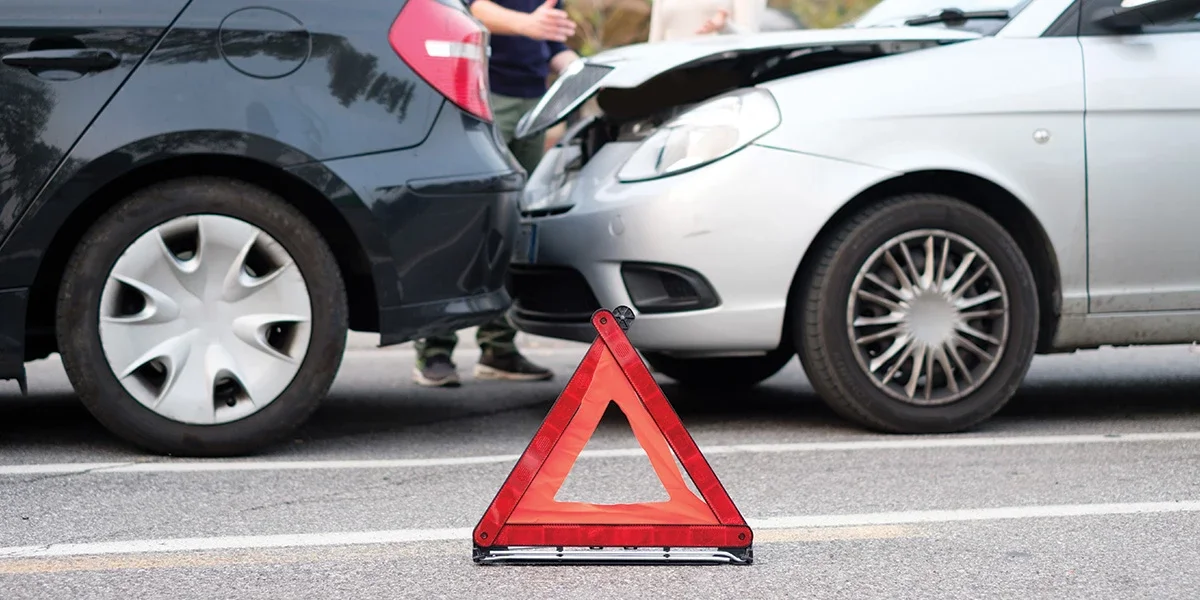
Getting into an accident while traveling with a rental car is a stressful situation for any driver. However, taking the correct steps ensures both personal safety and minimizes financial and legal issues.
Immediate Actions to Take in Case of an Accident
Although panic is natural in an accident, taking the correct initial steps is critical. First, move your vehicle to a safe area and ensure it does not pose a danger. Turn on your hazard lights to warn other drivers, and if possible, guide all occupants to a safe location.
Other important steps to take immediately after an accident include:
- Stay calm and assess the situation
- Check for injuries
- Call emergency services if necessary
- Ensure that moving the vehicle does not create additional hazards
Ensuring Driver and Passenger Safety
The priority after an accident is always human safety. To protect drivers and passengers, move them to a safe distance from the vehicle. If there are serious injuries, it is best to wait and call professional help rather than moving the individuals.
Additional safety measures include:
- Mark the accident scene and warn other drivers
- If there are injuries, basic first aid knowledge is useful
- Control traffic if necessary to prevent further accidents
Calling the Police and Emergency Services
In the event of an accident, calling the police is usually mandatory for most rental companies and insurance providers. The police prepare an official accident report, providing documentation for all parties and the insurance companies. Calling an ambulance in emergencies, especially in the case of injuries or severe damage, can be life-saving.
When contacting police or emergency services, consider the following:
- Clearly describe the location and situation
- Provide accurate information about how the accident occurred and the involved parties
- Ensure your own safety before communicating with others
- Obtain a copy of the police report and keep it for insurance purposes
The Importance of Accident Reports and Photos
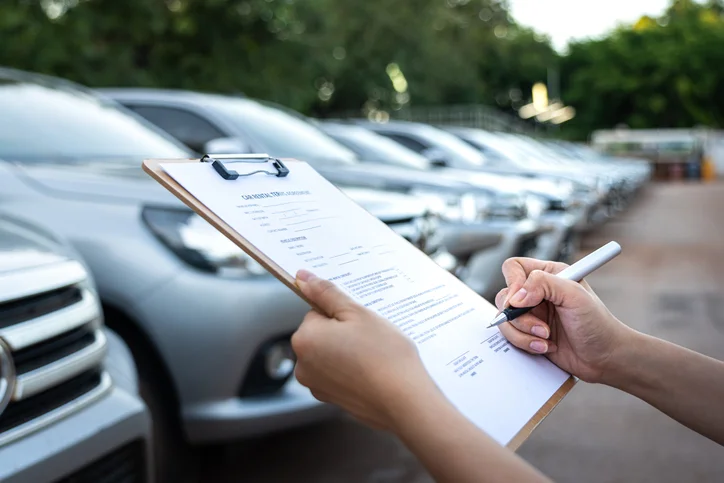
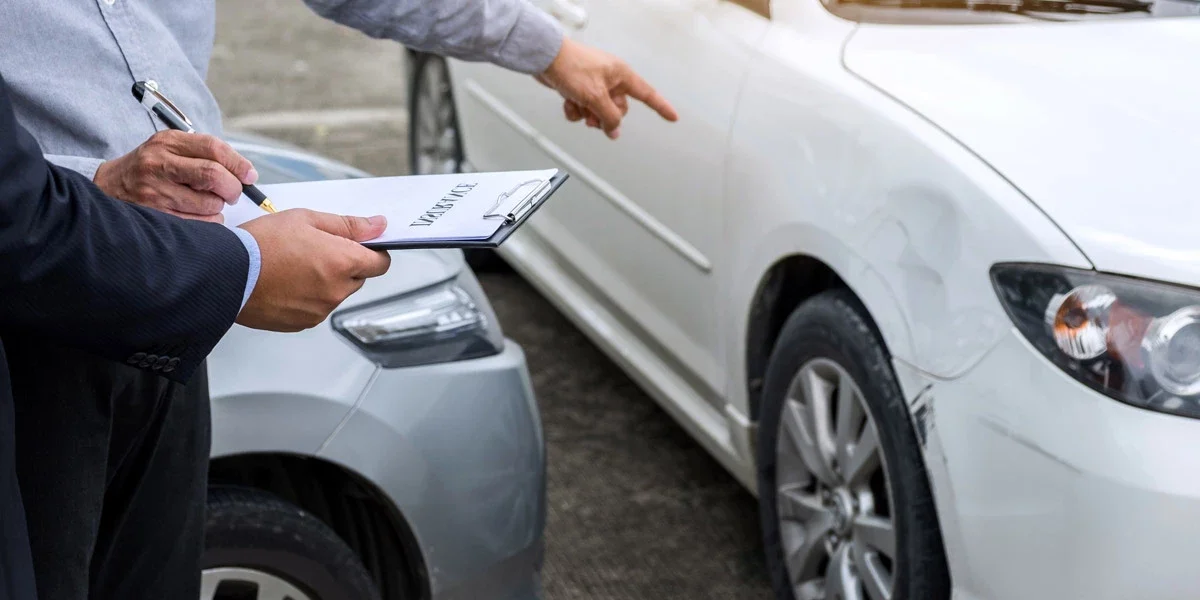
Accident reports and photographs serve as evidence for both insurance and rental purposes. Documenting vehicle damage and the accident scene prevents disputes and ensures correct payments. Reports and photos act as official proof for both the rental company and the insurance provider.
Key considerations when preparing post-accident documentation include:
- Take detailed photos of damaged vehicle parts
- Document the overall accident scene and traffic signs
- Record the other parties’ identification and vehicle information
- Keep a copy of the police report and your own accident notes
Insurance Notification Process
After an accident, it is important to notify the insurance company as soon as possible. Filing the insurance claim initiates the compensation process and prevents potential delays. The rental company usually specifies which documents need to be sent to the insurance provider.
Points to keep in mind during insurance notification:
- Provide the accident report and photos completely
- Give accurate information about yourself and the other parties
- Check the insurance policy coverage and understand which damages are included
- If necessary, coordinate with the rental company for communication with the insurance provider
Measures for Minor Damages
Not all traffic accidents result in major damage. In cases of minor collisions or scratches, it is important to document the damage and share it with the rental company. This prevents future disputes and ensures coverage by insurance.
Recommended actions include:
- Take photos of the damaged areas
- Document the situation with a minor accident report
- Follow the rental company’s instructions
- Check whether the damage is covered by insurance
Vehicle Repair and Return Process
After an accident, evaluating and repairing the vehicle requires coordination with the insurance and rental company. Depending on the extent of the damage, the vehicle may need to be taken to a service center or repaired at an authorized workshop. Maintaining clear documentation and communication during this process is essential for both the renter and the rental company.
Key considerations during the repair and return process:
- Document the vehicle’s condition before and after repairs
- Follow the rental company’s instructions throughout the repair process
- Coordinate with the insurance company as needed
- Monitor additional time and costs transparently
Preventing Accident Risks with a Rental Vehicle
While it is impossible to completely prevent accidents, it is possible to minimize risks. Driving carefully, adhering to speed limits, and following all safety measures in the vehicle reduce the likelihood of accidents. Risk is particularly higher for new or fatigued drivers.
Methods to reduce risks include:
- Comply with speed limits and traffic regulations
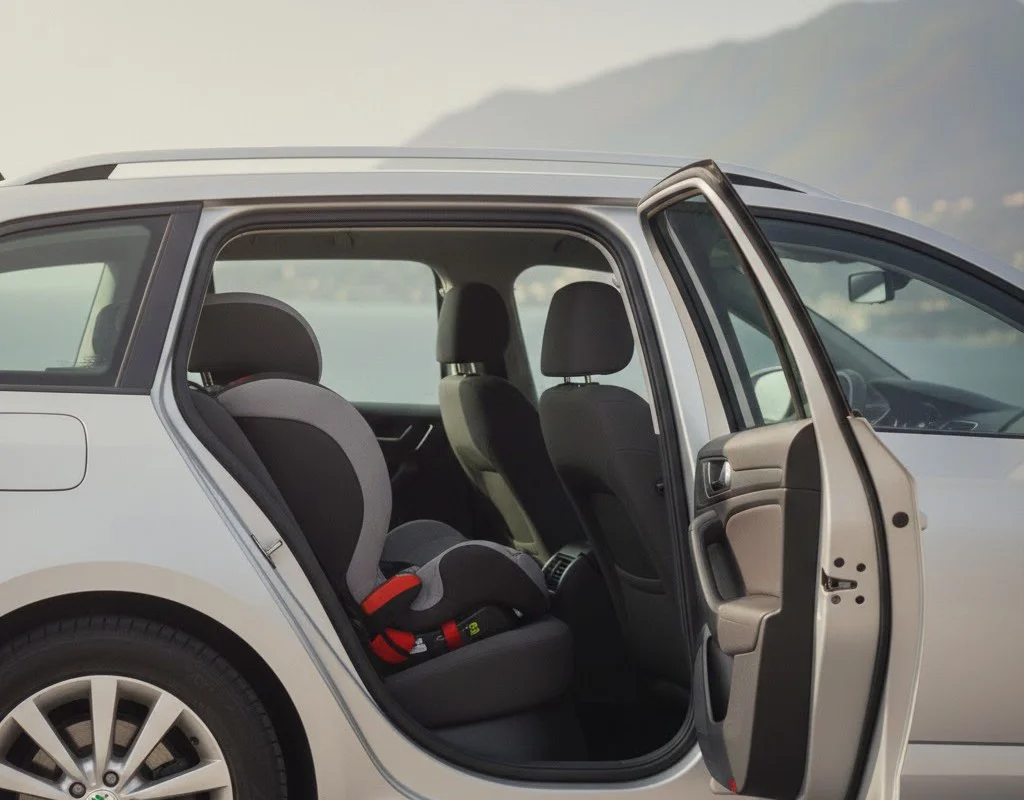
- Always use seat belts and child safety seats
- Avoid situations that reduce driving safety, such as alcohol consumption or fatigue
- Be aware of post-accident procedures and be prepared
Following these steps ensures the safety of both drivers and passengers in the event of an accident with a rental car and helps the process proceed smoothly. Keeping documents complete, notifying the insurance company promptly, and taking preventive measures guarantee a safe and seamless rental experience.